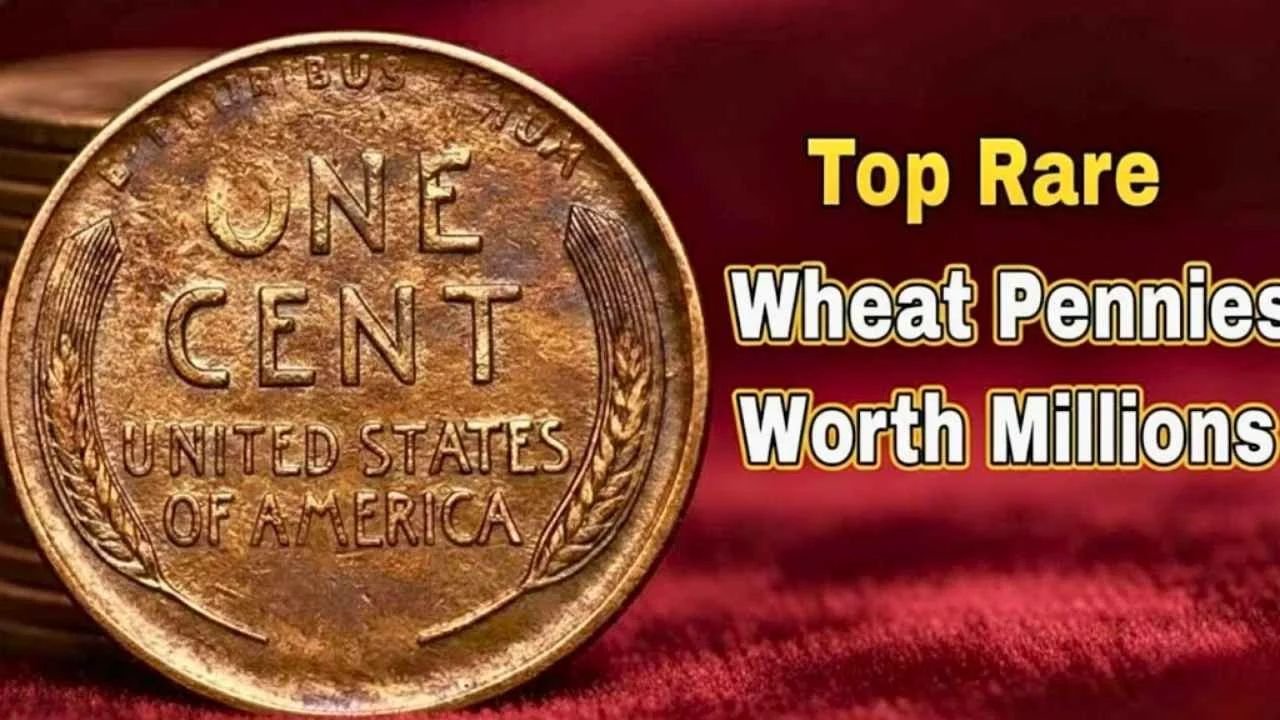
The Lincoln Wheat Penny remains one of the most iconic and widely collected coins in the world. Though originally minted for everyday transactions, a select group of these pennies has evolved into high-value collectibles, with some commanding prices in the hundreds of thousands—or even millions—of dollars.
In 2026, the fascination with Wheat Pennies continues to grow, driven by their historical legacy, distinctive design, and the possibility of discovering rare treasures in unexpected places.
The Origin of an American Classic
The Wheat Penny was first introduced in 1909 to commemorate the 100th anniversary of Abraham Lincoln’s birth. Designed by Victor David Brenner, it marked a major milestone in U.S. coinage as the first circulating coin to feature a real historical figure.
The obverse displays Lincoln’s profile, while the reverse features two stylized wheat stalks framing the denomination. This simple yet elegant design remained in circulation until 1958, making it one of the longest-running coin designs in American history.
Why Some Wheat Pennies Are Worth Millions
While billions of Wheat Pennies were minted, only a small fraction have significant value. The most valuable coins typically share a combination of the following characteristics:
- Low mintage numbers, making them inherently scarce
- Minting errors, which create unique and collectible variations
- Historical significance, particularly coins tied to wartime production
- Exceptional condition, often graded at the highest levels
- Strong collector demand, especially for well-known key dates
When these factors align, even a one-cent coin can become a prized asset worth life-changing sums.
Legendary Wheat Pennies Every Collector Should Know
1943 Copper Wheat Penny
The 1943 Copper Lincoln Penny is widely regarded as the holy grail of Wheat Pennies. During World War II, pennies were struck in steel to conserve copper. However, a few copper planchets were mistakenly used, resulting in an extremely rare error.
Only a handful of these coins exist today, and some have sold for over a million dollars. Its rarity and historical context make it one of the most valuable coins ever produced.
1909-S VDB Penny
The 1909-S VDB Lincoln Penny is one of the most famous key dates in the series. Minted in San Francisco in limited numbers, it prominently features the designer’s initials on the reverse.
Due to public controversy, the initials were quickly removed, making this version highly collectible. High-grade examples regularly sell for tens of thousands of dollars.
1914-D Wheat Penny
The 1914-D Lincoln Wheat Penny is another highly sought-after coin. With a relatively low mintage and limited availability in high grades, it has become a cornerstone piece for serious collectors.
Values can range from thousands to tens of thousands depending on condition.
1922 No D Wheat Penny
The 1922 No D Lincoln Penny is a fascinating example of how minting errors create rarity. Although all pennies in 1922 were produced in Denver, some were struck without the “D” mint mark due to die wear.
These coins are rare and highly collectible, often commanding significant premiums in the market.
1955 Doubled Die Penny
The 1955 Doubled Die Lincoln Penny is one of the most visually striking error coins. The doubling in the date and lettering is clearly visible, making it easy to identify even for beginners.
Its dramatic appearance and relative scarcity have made it a favorite among collectors, with high-grade examples reaching impressive values.
1944 Steel Wheat Penny
The 1944 Steel Lincoln Penny is another rare wartime anomaly. After returning to copper production in 1944, a few leftover steel planchets from 1943 were mistakenly used.
These coins are extremely rare and can be worth tens of thousands depending on condition.
The Role of Errors and Varieties
Minting errors are a major driver of value in the Wheat Penny series. These include:
- Doubled dies
- Off-center strikes
- Wrong planchet errors
- Missing or altered mint marks
Such anomalies are prized because they are accidental and limited in number. Each error coin tells a unique story, adding both historical intrigue and monetary value.
Value Based on Condition
Condition plays a critical role in determining a coin’s worth. Coins are graded on a scale that ranges from heavily worn to perfect mint state.
- Circulated coins: Typically worth a few cents to a few dollars
- Uncirculated coins: Can range from $10 to several hundred
- High-grade key dates: Often reach thousands or more
- Rare errors in top condition: Can exceed six or seven figures
Professional grading services are essential for verifying authenticity and maximizing value in the marketplace.
Market Trends in 2026
The market for Wheat Pennies remains strong in 2026, supported by global collector demand and increasing interest in tangible assets. Online auctions and specialized coin platforms have made it easier than ever to buy, sell, and evaluate rare coins.
High-grade examples and well-documented error coins continue to appreciate steadily, while entry-level collectors are fueling demand for more affordable pieces.
How to Find Hidden Wheat Penny Treasures
One of the most exciting aspects of collecting Wheat Pennies is the possibility of discovery. Rare coins have been found in:
- Old coin jars and piggy banks
- Inherited collections
- Bank coin rolls
- Estate sales and flea markets
Careful examination and a basic understanding of key dates can significantly increase your chances of identifying valuable coins.
Smart Collecting Strategies
Successful collectors often follow a disciplined approach:
- Learn key dates and varieties before buying
- Focus on quality rather than quantity
- Invest in certified coins for high-value purchases
- Store coins properly to maintain condition
- Stay updated on market trends and auction results
Building a well-curated collection not only enhances enjoyment but also increases long-term value.
Final Thoughts
Wheat Pennies are far more than everyday coins—they are historical artifacts with the potential for extraordinary value. From the legendary 1943 copper penny to the iconic 1909-S VDB, these rare coins continue to captivate collectors around the world.
In 2026, the search for hidden Wheat Penny treasures remains as exciting as ever. Whether you are a seasoned numismatist or just beginning your journey, the possibility of finding a coin worth millions ensures that every penny deserves a closer look.